
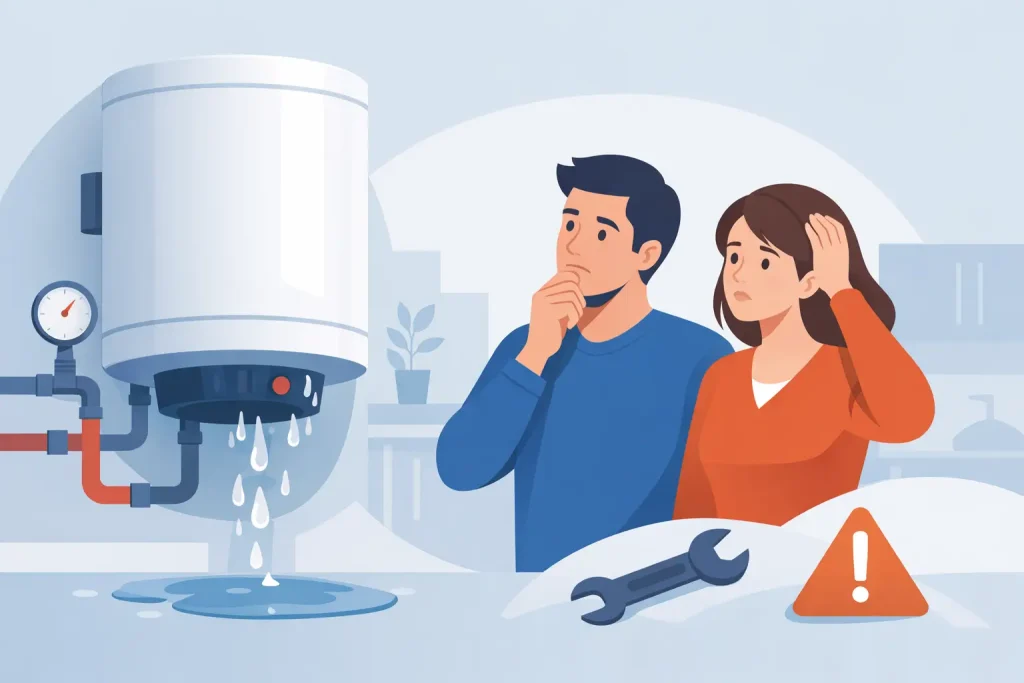
A puddle beneath the boiler, a drip from a pipe, or pressure that keeps falling can quickly make a household feel unsettled. So, is boiler leaking dangerous? Sometimes it is, and it should never be ignored. The immediate risk depends on where the water is coming from, how much is escaping and whether it is close to electrical parts, but even a small leak can turn into loss of heating, water damage or a more expensive repair if left untreated.
The reassuring part is that most boiler water leaks can be assessed and repaired safely by a qualified heating engineer. Your job is not to diagnose the internal fault or remove the boiler casing. It is to make the area safe, limit damage where possible and arrange a prompt inspection.
Is a boiler leaking dangerous?
A boiler leak is not automatically an emergency, but it is always a fault that needs attention. Water and electrical components are an unsafe combination. A persistent leak can also damage the boiler’s controls, cause corrosion, affect pressure and eventually stop the heating or hot water altogether.
The degree of urgency changes with the symptoms. A few drops from an external pipe may allow time for a same-day or next-day repair, provided the boiler is operating normally and the area is dry and safe. Water coming from the boiler case, a fast-growing puddle, repeated pressure loss or water near a socket or electrical switch calls for faster action.
A water leak is different from a gas leak. Water itself does not usually create a carbon monoxide risk. However, any boiler fault deserves a proper safety check, particularly if the appliance is behaving differently, shutting down repeatedly or producing unusual smells or marks.
When to treat a leaking boiler as urgent
Act without delay if water is pouring from the boiler, dripping onto electrical equipment, or spreading across a floor where someone could slip. Do not touch wet switches, plugs or exposed wiring. Keep children and pets away from the affected area.
Turn the boiler off at its controls if you can do so safely. If the boiler’s electrical supply is dry and accessible, switch it off at the nearby fused spur. Do not do this if there is water around the switch or you are unsure. Place a towel or container beneath a small, accessible drip to protect the floor, but do not attempt to open the boiler or tighten internal parts.
If you can see that an external pipe or valve is leaking, you may be able to turn off the water supply to the boiler using its isolation valve. Only do this where the valve is clearly identified, dry and easy to reach. If there is any uncertainty, leave it alone and wait for an engineer.
Call the National Gas Emergency Service on 0800 111 999 straight away if you can smell gas, hear a hissing sound near the gas supply, or suspect a gas leak. Open doors and windows, avoid flames and sparks, do not operate electrical switches, and do not use phones in the immediate area. Leave the property if necessary. A water leak and a gas leak require different responses, but neither should be investigated by taking the boiler apart.
Signs that should not wait
A prompt professional visit is particularly sensible when the boiler pressure falls repeatedly, radiators need frequent topping up, hot water cuts out, or the display shows a fault code. Staining beneath the appliance, rust around pipe joints and damp inside the boiler cupboard are also signs that a slow leak may have been present for some time.
For landlords and property managers, a boiler leak should be treated as a maintenance priority. Beyond the risk of damage to the property, tenants may be left without dependable heating or hot water. Early action is usually less disruptive than waiting for a complete breakdown.
Where is the water likely to be coming from?
The location of the water offers useful clues, but it cannot confirm the cause on its own. A qualified engineer will inspect the boiler and associated pipework before recommending a repair.
Water dripping from a pipe joint, valve or radiator connection may be caused by a worn seal, corrosion or a loose fitting. These faults can look minor, but repeatedly topping up the boiler pressure to compensate is not a fix. Introducing fresh water to the system again and again can contribute to internal corrosion over time.
Water from the pressure relief pipe outside the property often points to a pressure-related problem. On many systems, this copper pipe exits through an external wall and releases water when pressure becomes too high. The issue may relate to the expansion vessel, a pressure relief valve or overfilling, and it needs correct diagnosis rather than guesswork.
A leak from beneath the boiler casing can involve internal seals, the pump, heat exchanger, condensate components or other parts. Some of these repairs are straightforward; others depend on the boiler’s age, condition and the availability of suitable replacement parts. This is why a clear diagnosis matters before anyone suggests repair or replacement.
Condensate pipework can also produce water during normal operation, especially while the boiler is running. However, a loose connection, blockage or cracked section is not normal. If you are unsure whether the water is expected condensate or a fault, treat it as a reason to arrange an inspection.
What not to do with a leaking boiler
It can be tempting to keep resetting the boiler, increase the pressure, wrap a pipe in tape or remove the front panel to find the source. These actions can make the situation worse and may create a safety issue. Boiler cases should only be removed by an appropriately qualified engineer.
Avoid running the boiler continuously in the hope that the leak will stop. Heat and pressure can increase strain on a failed seal or component. Equally, do not ignore a leak simply because heating and hot water are still available. Many leaks start slowly and become apparent only after damage has developed.
If the leak is small and contained, take a clear photograph before placing a container underneath it. Note whether the boiler was on, whether pressure has changed, and whether any fault code appeared. This information can help the engineer arrive prepared and shorten the diagnosis.
What happens during a professional boiler leak repair?
A competent engineer will first establish whether the water is coming from the boiler itself, external pipework or the pressure relief discharge. They will check system pressure, visible connections, safety components and the boiler’s operation. If a part is required, the repair should be explained clearly, with a quotation before work goes ahead where possible.
The right solution may be as simple as replacing a seal or valve. In other cases, a failing expansion vessel, pump or heat exchanger may be involved. Repair is often the sensible option, particularly where the boiler is otherwise reliable and a replacement part is available. If the appliance is older and has several developing faults, the engineer should explain the likely costs and practical options honestly.
After repair, the system should be checked for continued leaks and correct pressure. You should also be told what symptoms to watch for, rather than being left to guess whether the fault has truly been resolved.
Get a leaking boiler checked promptly
A boiler leak is a practical problem that deserves a practical response: make the area safe, avoid DIY work inside the appliance and arrange a qualified inspection. D C N Hinds Limited provides responsive boiler diagnosis and repair for households across North London, with free quotations and attendance aimed for the same day or the following day.
If the leak is contained, acting now can protect your boiler, your flooring and your household routine. If water is near electrics, leaking heavily or accompanied by a gas smell, treat safety as the first priority and seek urgent help.
